The ultimate guide to planning a budget-friendly Kruger National Park self-drive safari
Introduction
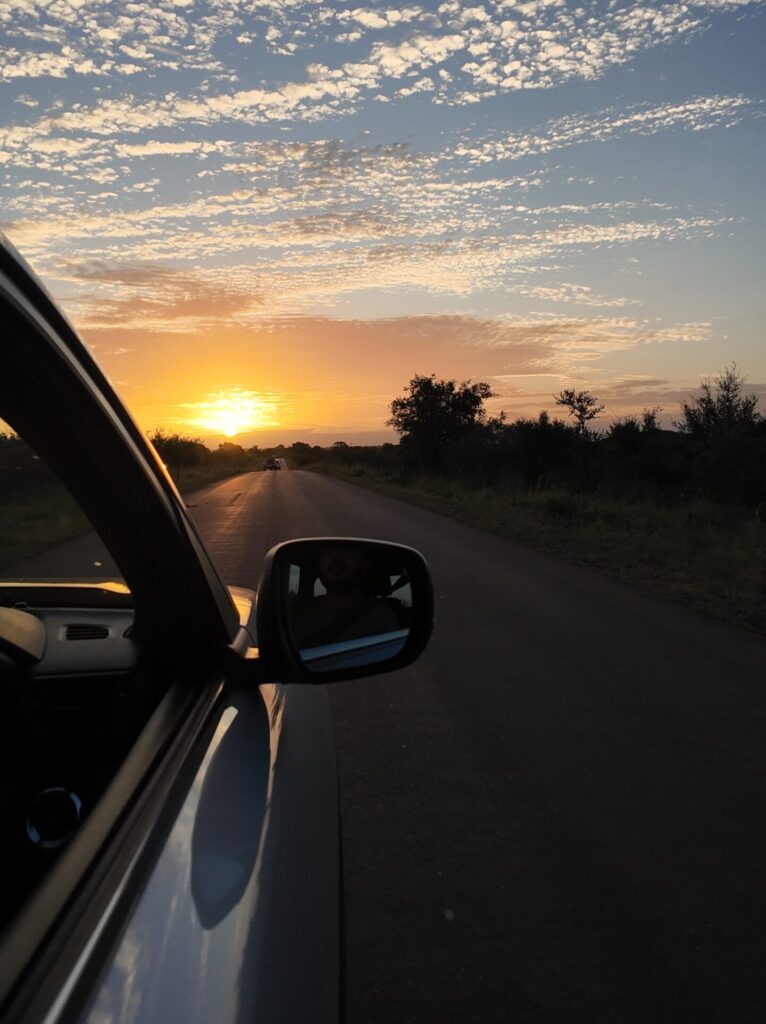
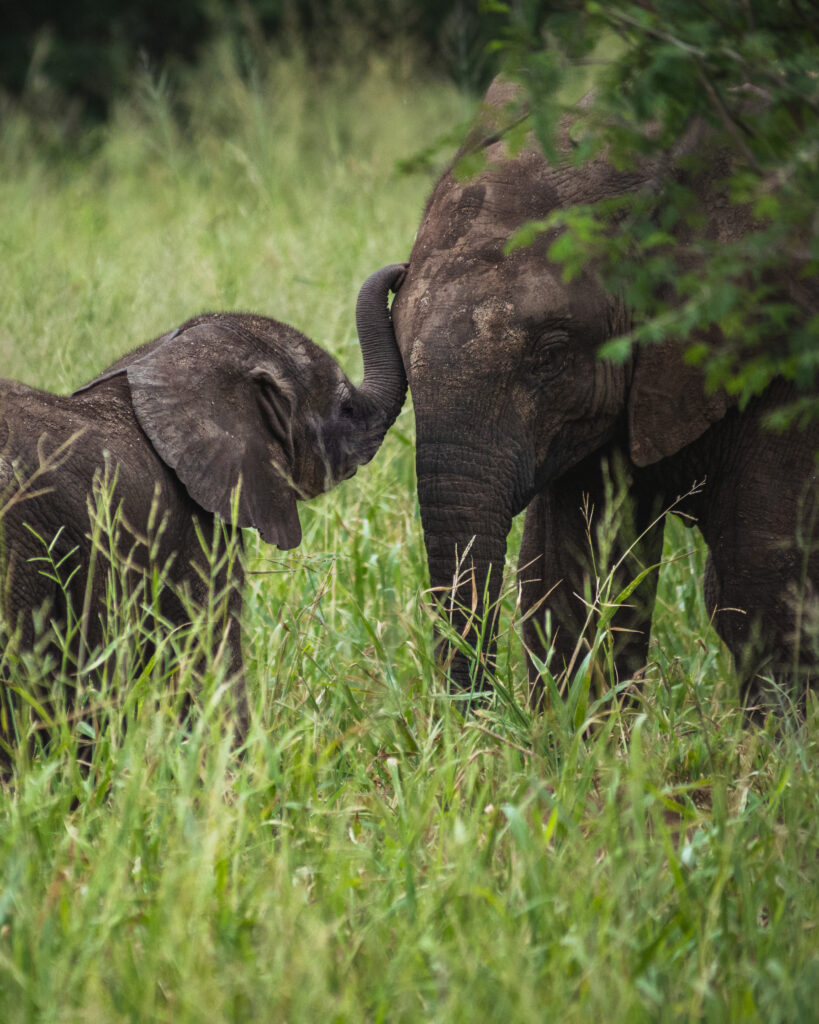
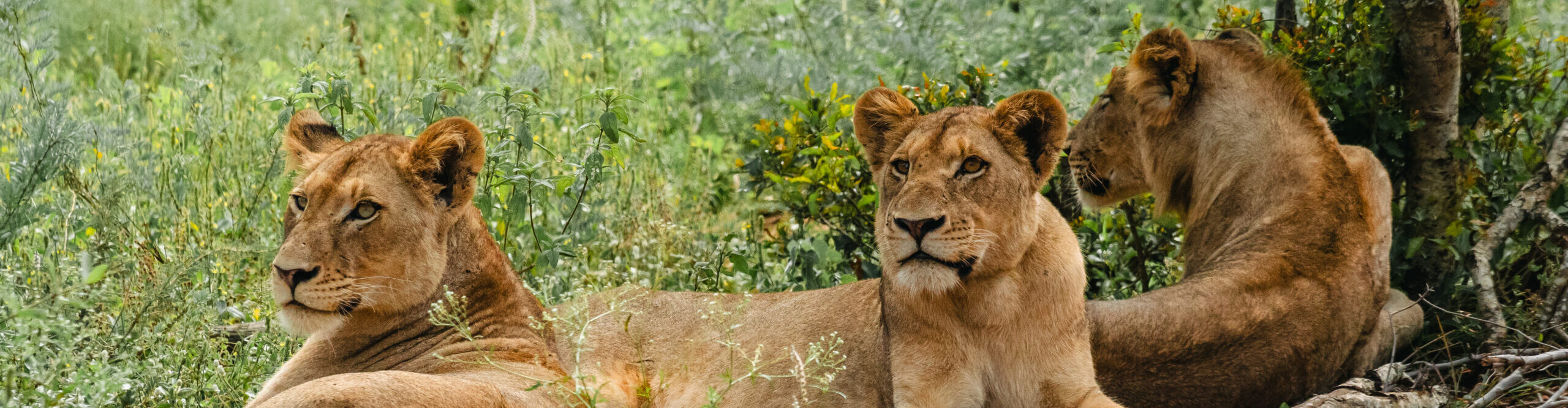
Imagine driving through the African savanna, spotting baby lions playing under trees and elephants crossing the road just meters from your car. While safari trips are known to be prohibitively expensive, Kruger National Park (KNP) in South Africa is one of the most affordable ways to experience wildlife in Africa.
Don’t think that less expensive means a lower quality experience! Kruger is a top safari destination worldwide, offering diverse landscapes and high wildlife densities.
This Kruger Self-Drive Safari Guide will tell you everything you need to know to plan your perfect safari trip.
Our experience: We absolutely LOVED our trip to KNP and would go back right now. However, our KNP trip was one of the hardest trips we’ve ever planned! We wrote this guide to make your trip planning easier.
Why Choose Kruger National Park over other safari destinations
- Affordable Safari Option: One of the cheapest places for a self-drive safari in Africa.
- Year Round Wildlife Viewing: High animal concentrations ensure sightings in any season.
- Varied Ecosystems: From woodlands to open savannas, offering diverse animal and plant life.
- Flexible Accommodation Options: From camping to luxury lodges, Kruger has it all.
What Animals Can You See on a Kruger Self-Drive Safari?
The Big 5
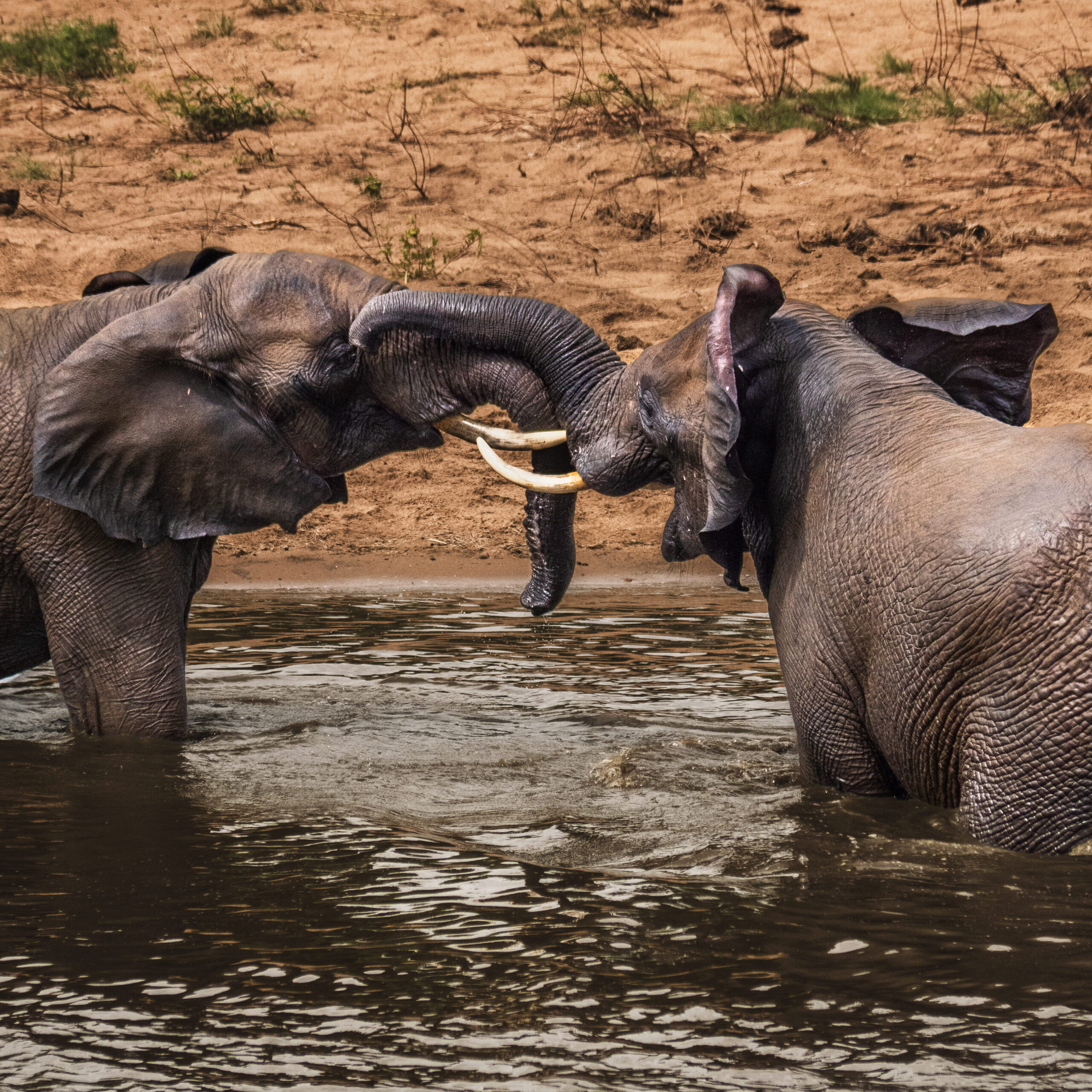
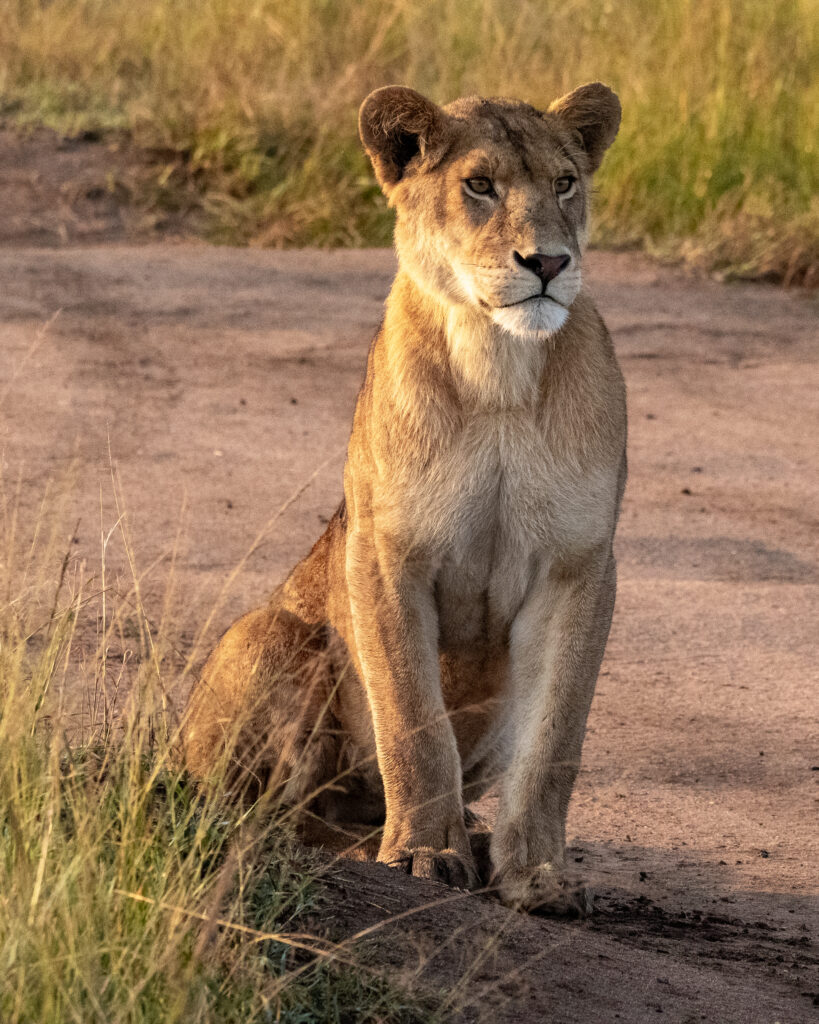
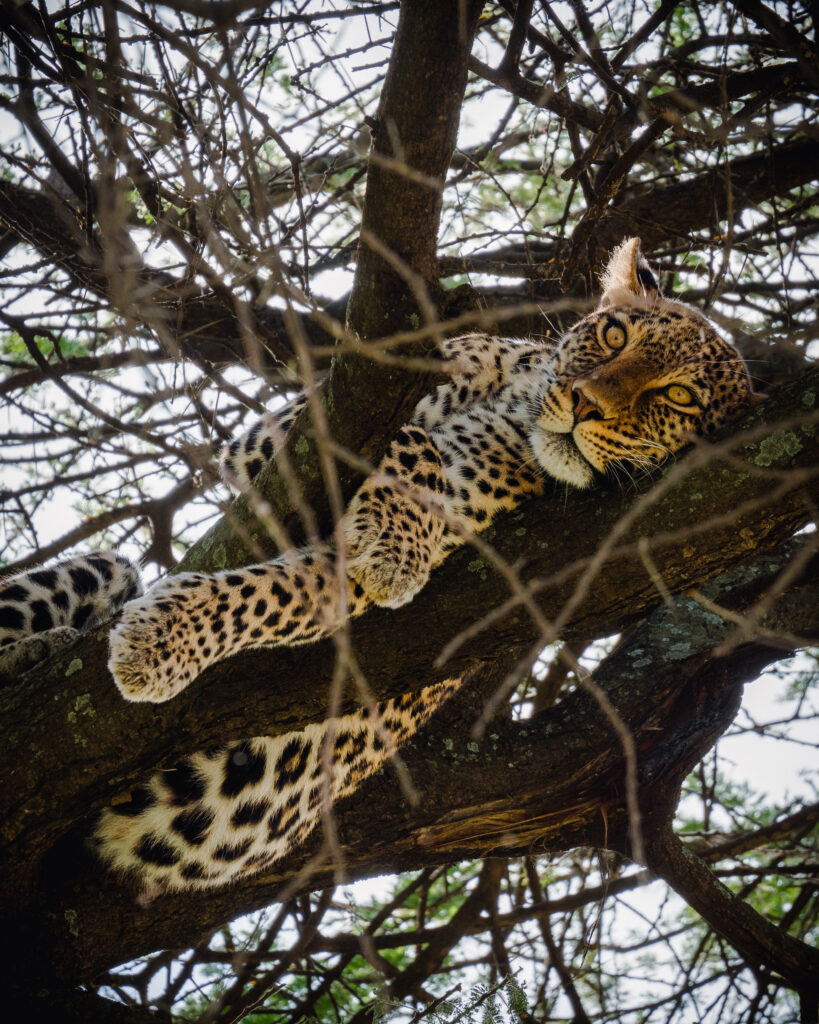
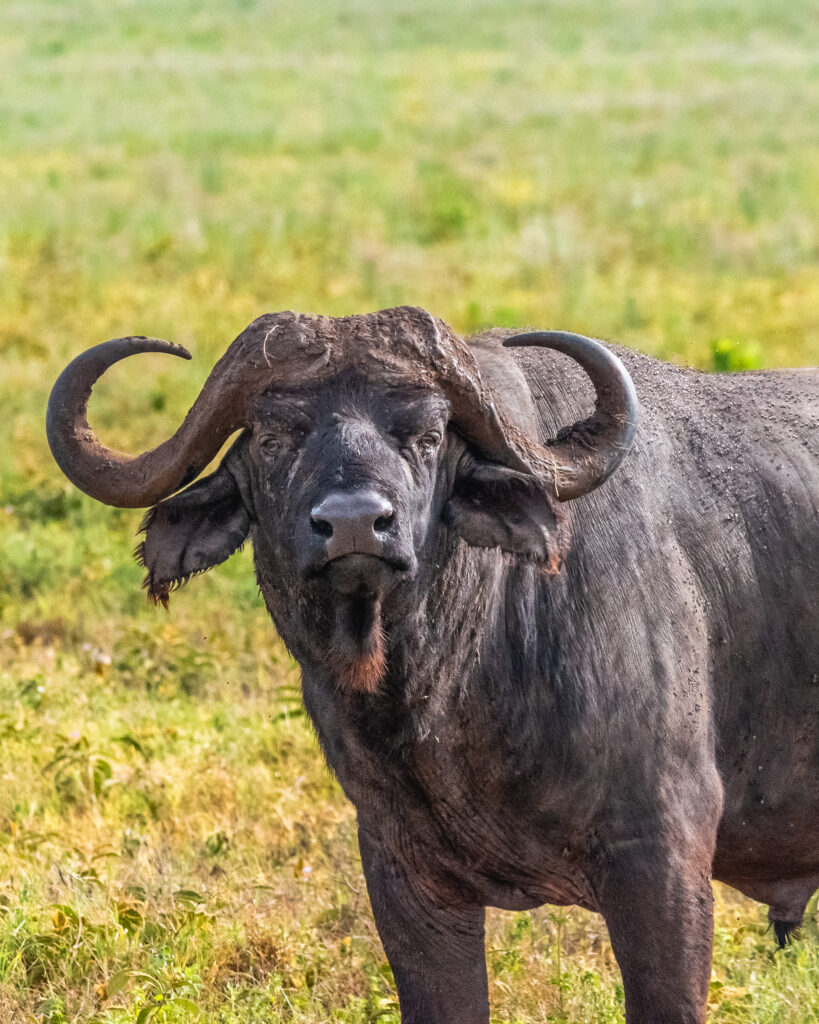
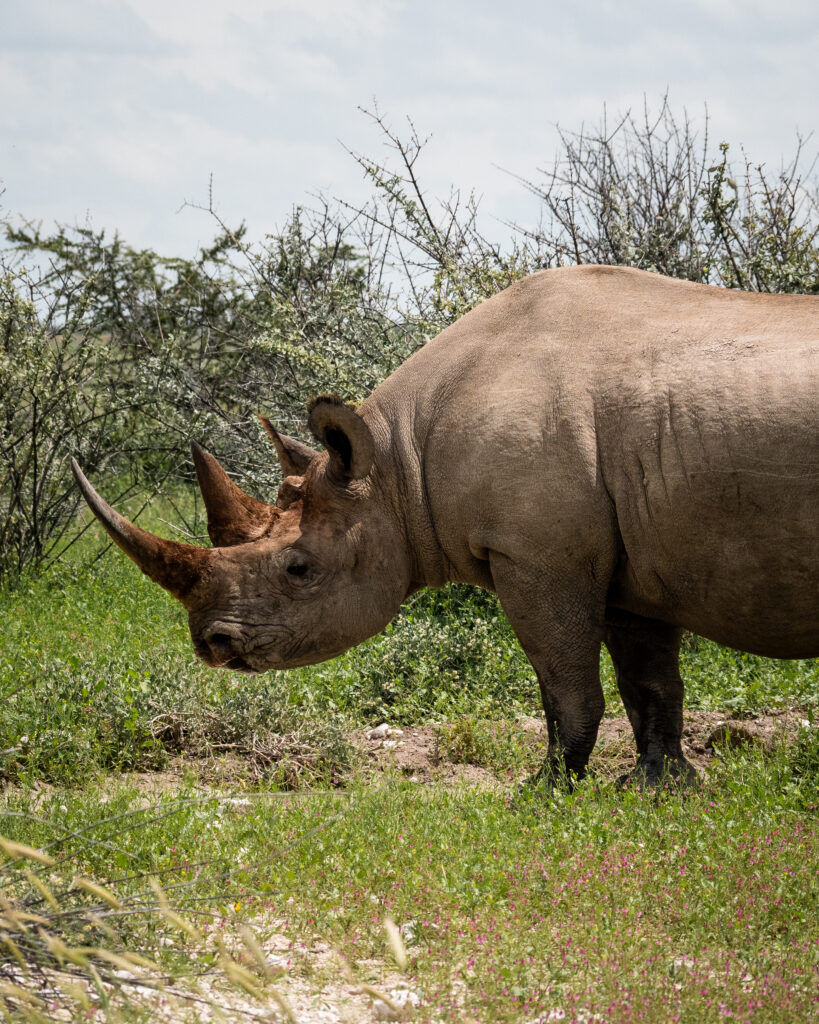
Originally a hunting term, the “Big 5” (lion, leopard, elephant, rhino, and buffalo) are now the most sought after animals on safari. However, don’t let the term dictate your trip. The big 5 is now mostly a marketing gimmick. And let’s be honest, we would much rather spot a cheetah than a buffalo. Sorry buffaloes!
Note: Due to poaching activity, the rhino population in Kruger National Park is decreasing. Rhino spotting locations are not shared, for their protection.
Beyond the Big 5
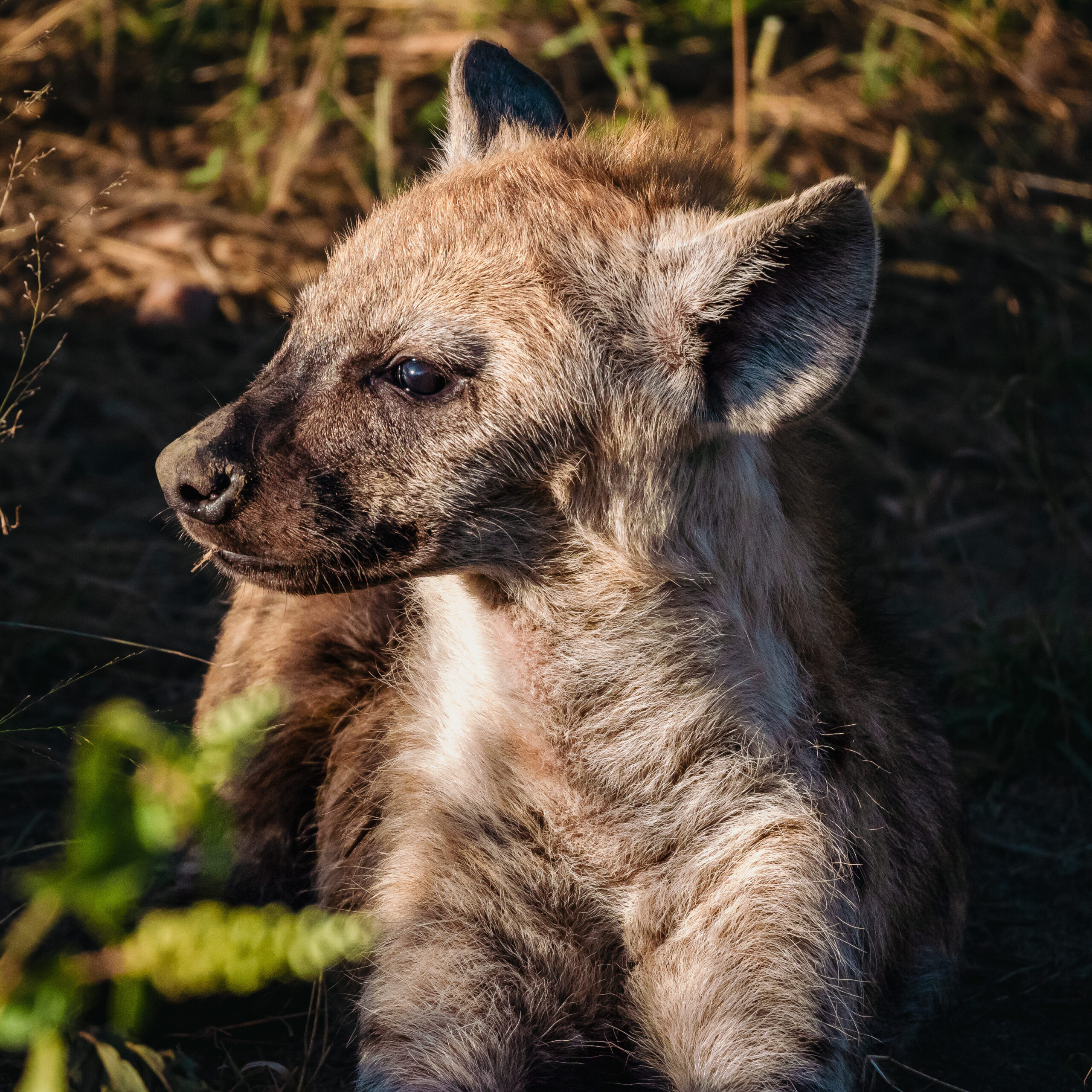
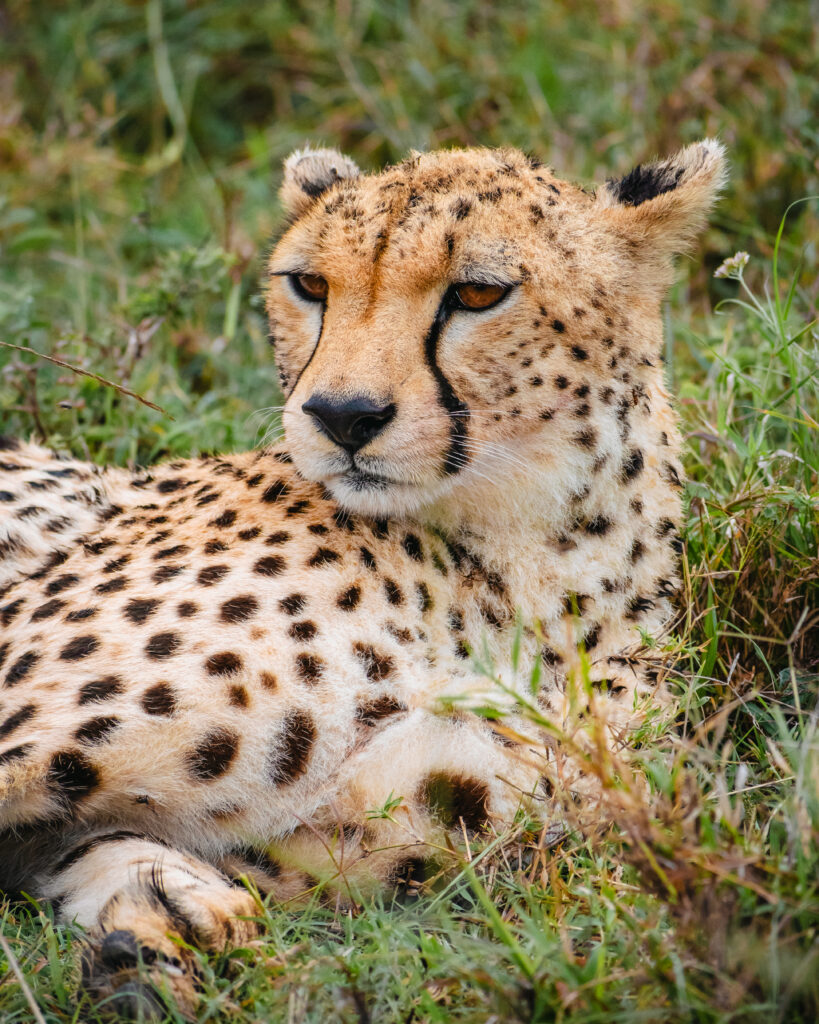
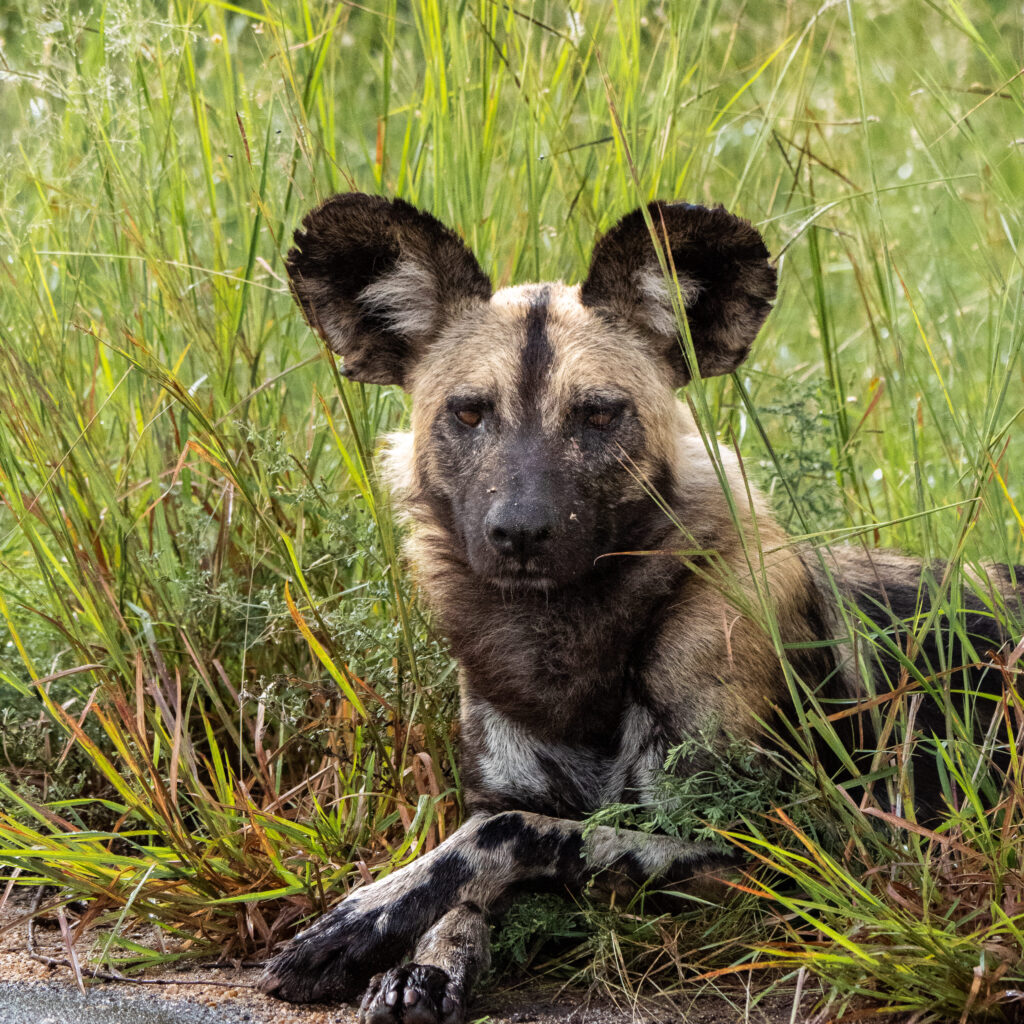
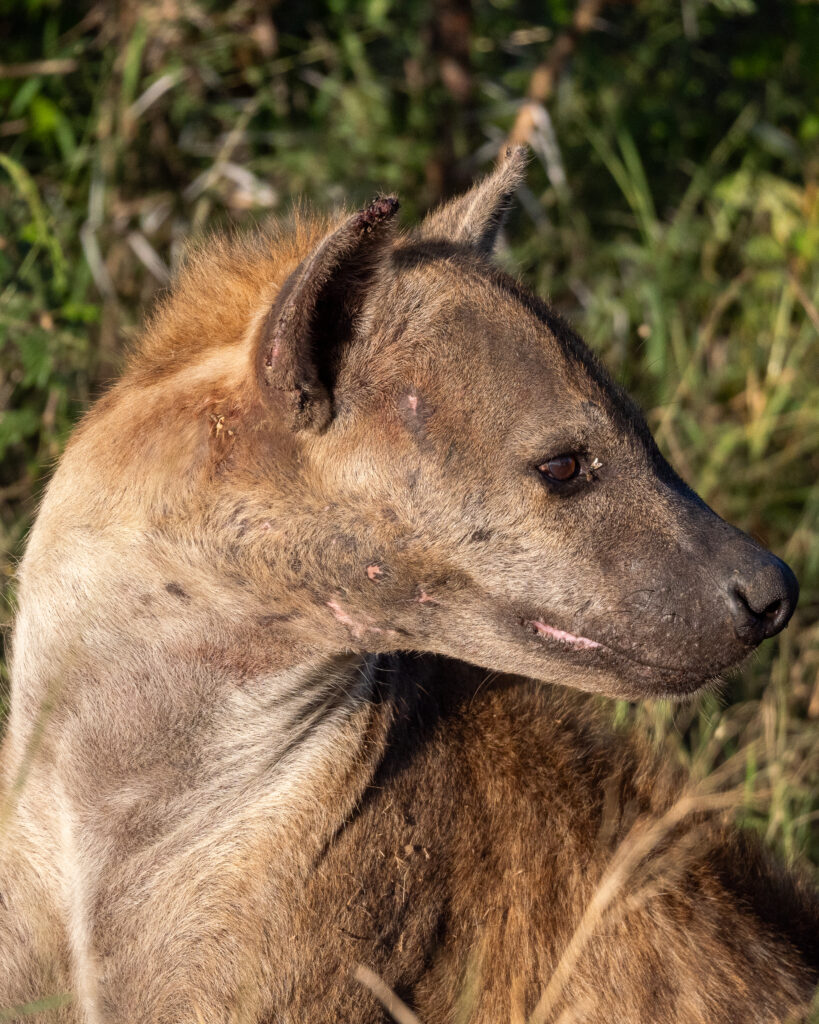
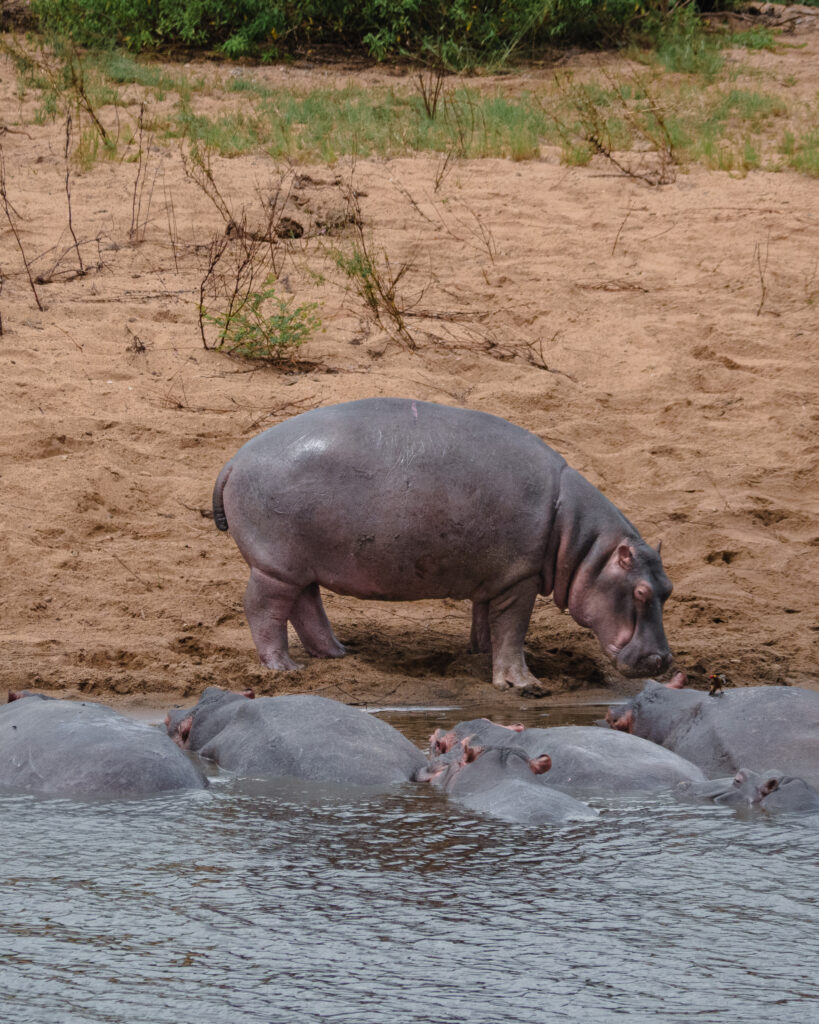
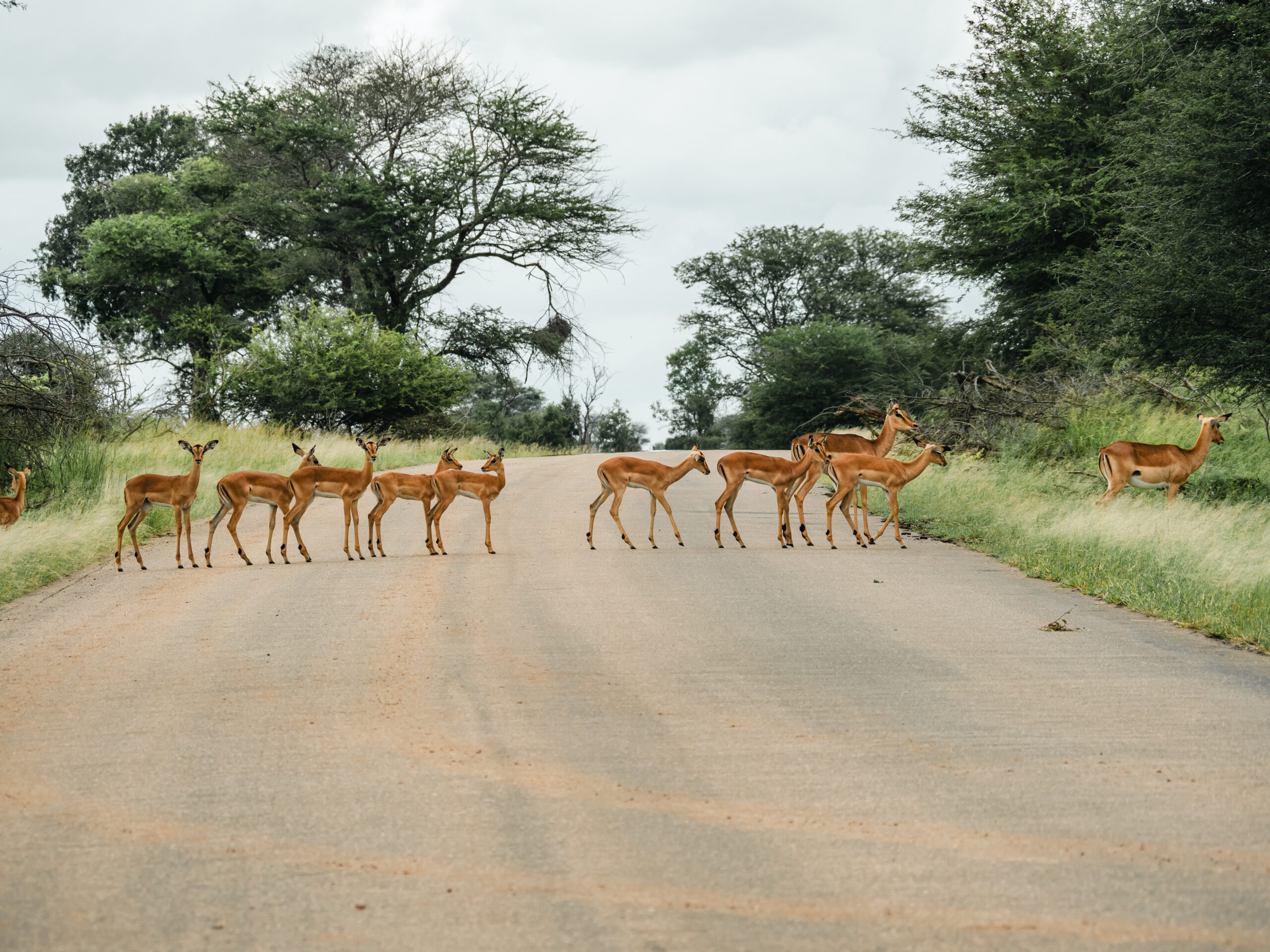
Kruger is a great place to look for cheetahs, wild dogs, hippos, giraffes, zebras, crocodiles, warthogs, antelope, impala, and many more.
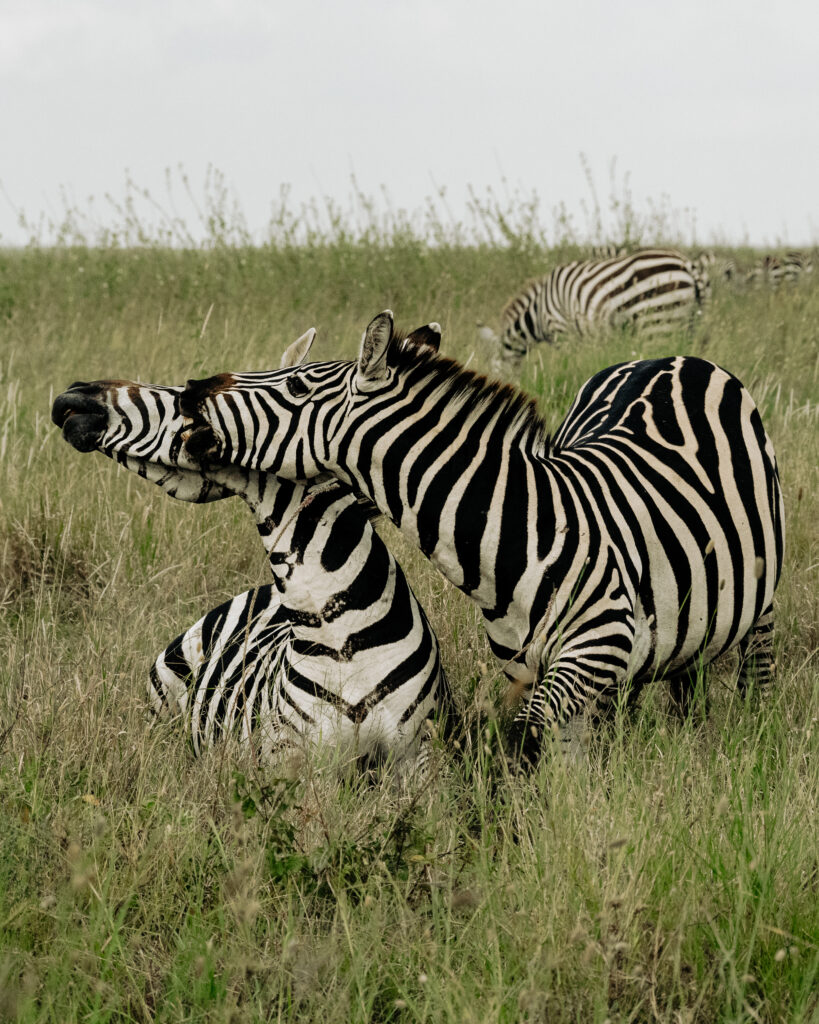
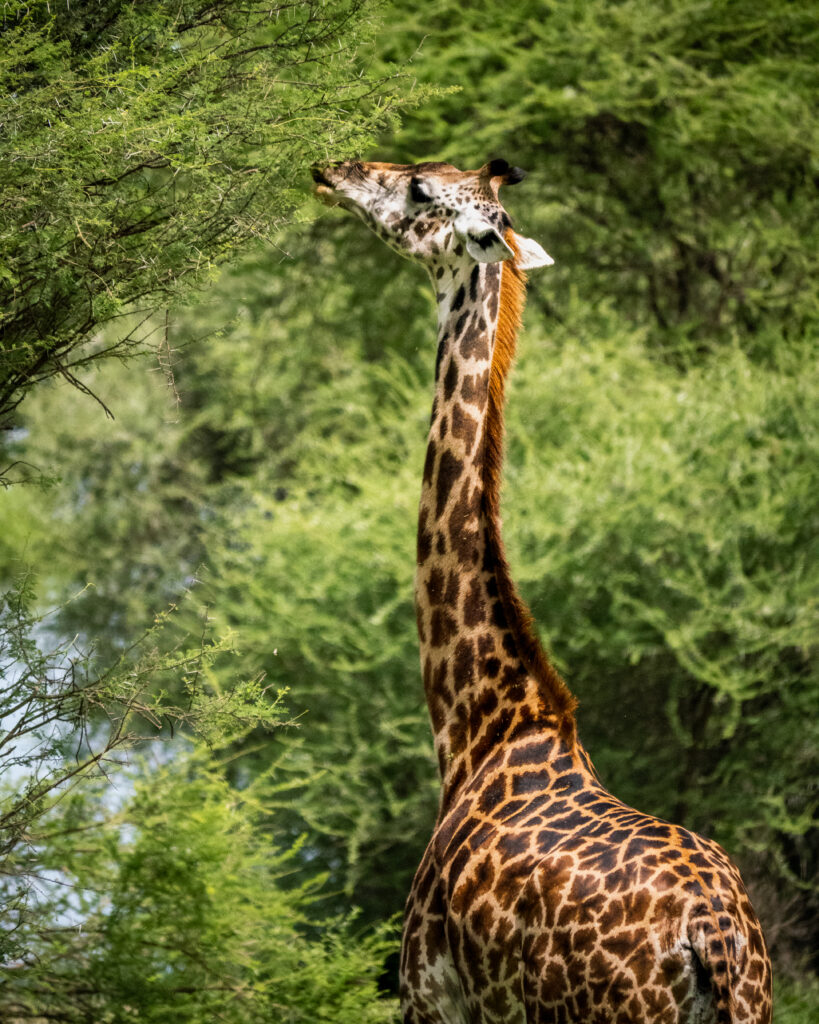
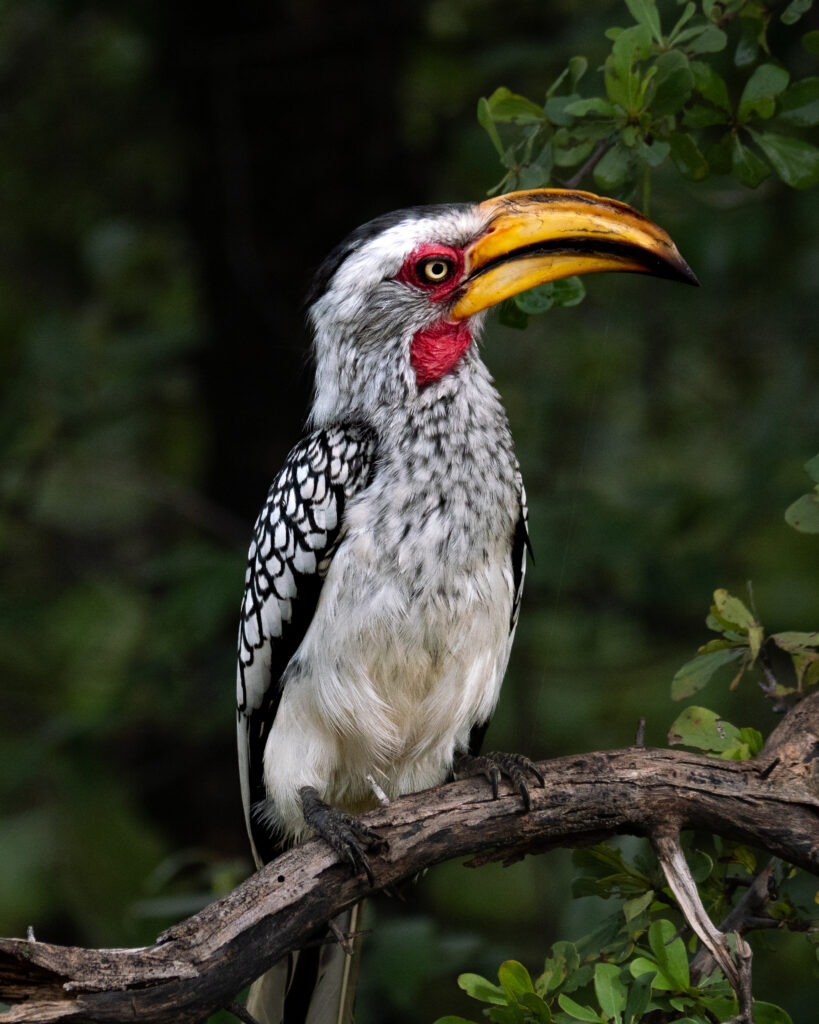
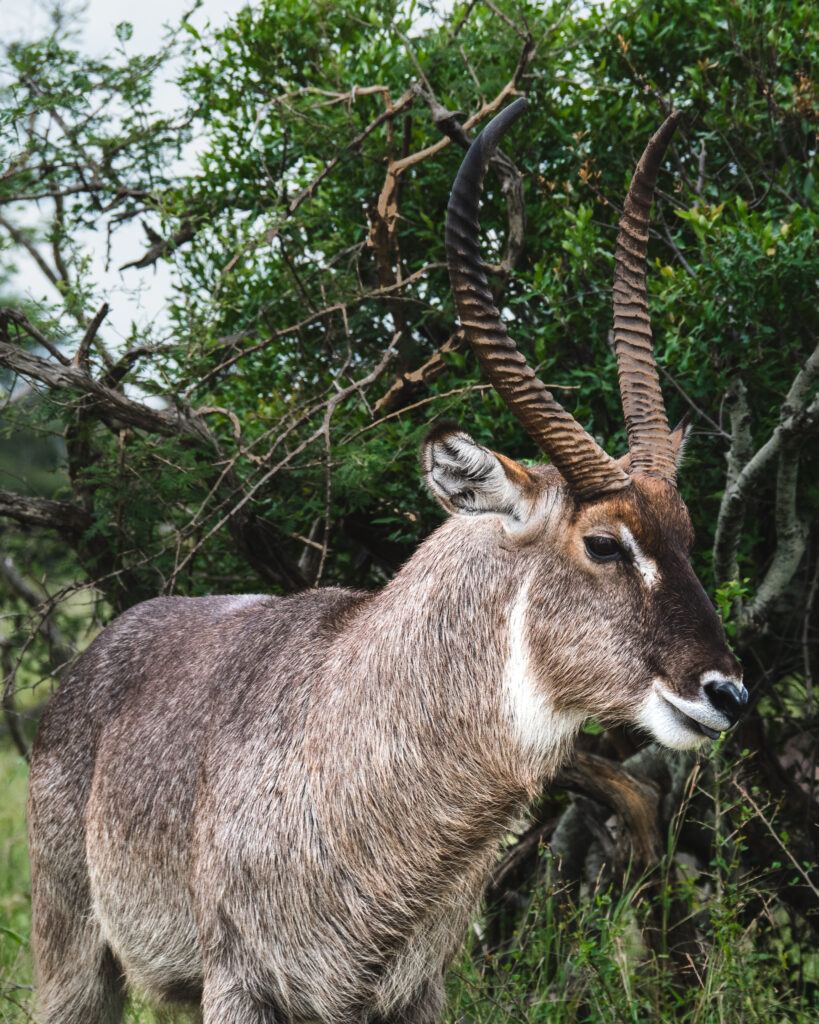
Birds
Kruger is a birder’s paradise with over 500 species! Even if you’re not a serious birder yet, you might become one by the end of your trip. We’re not quite there yet… haha.
Planning Your Kruger Self-Drive Safari
Getting to Kruger
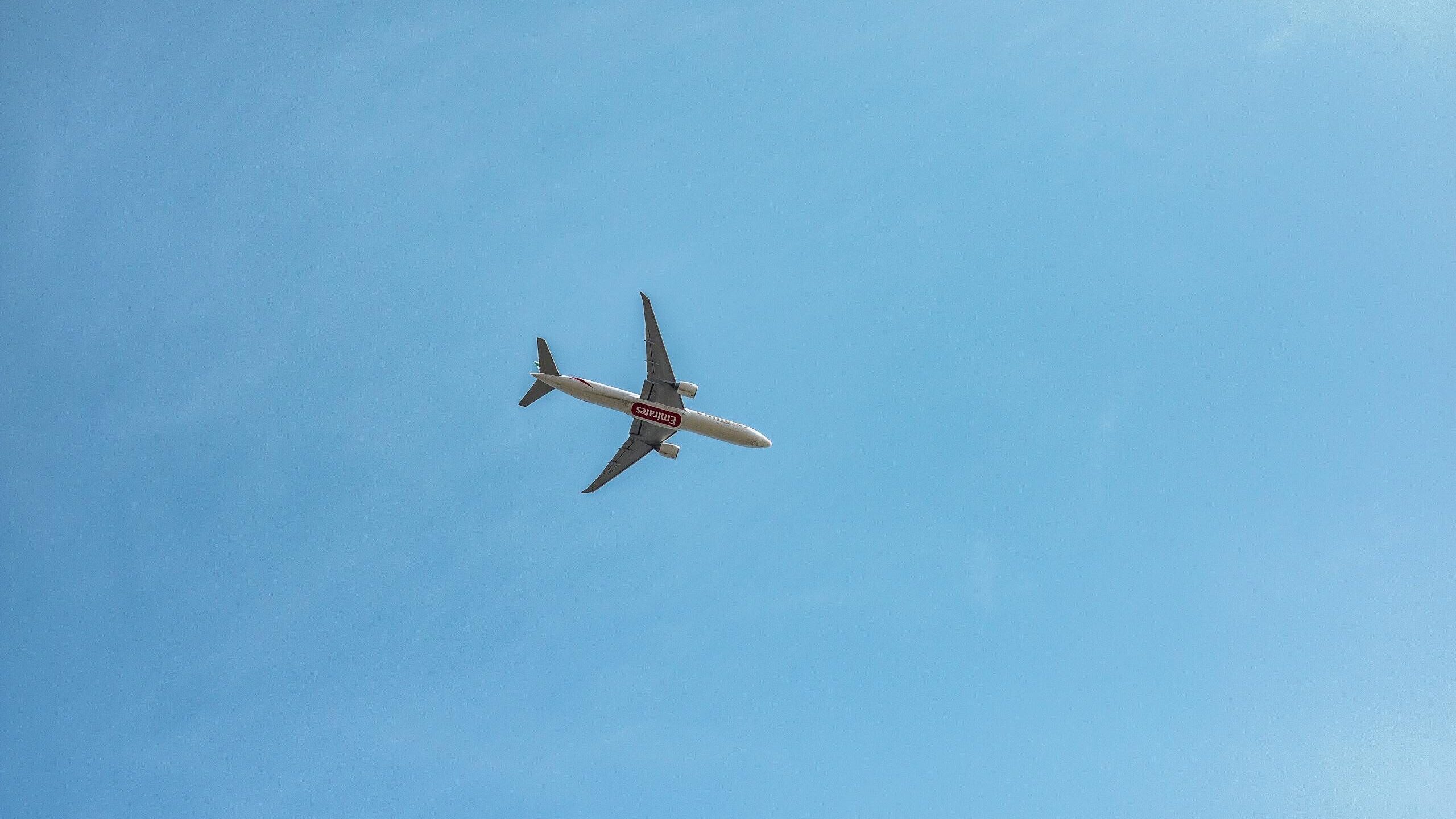
Depending on your budget and time constraints, here are the best ways to reach Kruger:
| Airport | Drive Time to Kruger | Best Park Entrance |
|---|---|---|
| Johannesburg (JNB) | 4-5 hours | Multiple options |
| Nelspruit/Kruger Mpumalanga (KMI) | 1 hour | Southern gates |
| Hoedspruit Airport (HDS) | 1 hour | Central-east gates |
| Phalaborwa Airport (PHW) | 1 hour | Northern gates |
| Skukuza Airport (SZK) | Inside national park | Direct access |
*JNB will almost always be the cheapest option, because you save the cost of the domestic flight
Tip: Avoid driving at night due to safety concerns. At night there may be people and animals on the road. Sadly, car jackings happen, especially around Johannesburg.
Tip: Lock or plastic wrap your checked baggage if you’re going through JNB. Throw in an air-tag for extra security.
Park Entrance Fees
- Daily Conservation Fees: Vary based on residency status (check SANParks website) but are currently ZAR 535 per day for international visitors.
- Wild Card: Gets you unlimited entrance to SAN parks for one year. It pays off if you staying 6+ days or visiting multiple national parks in South Africa. Passes for couples or families work out cheaper per person compared to solo passes.
Pro tip: If you’ll be travelling the Garden Route or to Cape Town on your trip, Table Mountain National Park, Addo National Park, and Garden Route National Park entrance fees are all included with your Wild Card.
Renting a Car for Your Kruger Self-Drive Safari
- Best Value: Rent from Johannesburg for the lowest prices.
- Car Type: A 2WD is fine, but a higher-clearance vehicle improves wildlife viewing. We had a small SUV (Toyota Urban Cruiser) and found it was high enough.
- Sunroof: While a sunroof sounds like a great idea, it’s not. You are not allowed to protrude any part of your body from your car at Kruger. This is for your own safety and the comfort of the animals.
- Manual vs. Automatic: Automatic is better for slow, constant driving.
- Speed limits: Inside Kruger, speed limits are 50 km/hr on gravel roads and 40 km/hr on dirt roads.
Our experience: We rented from Hertz at JNB, using our American Express Platinum card benefits (Hertz Gold status) for a free additional driver. The drive was straightforward but scenery wasn’t super exciting for the first 3/4. If we went again, we would try to fly into a closer airport.
Where to Stay: Inside vs. Outside the Park
There is an abundance of accommodation options within the park and just outside, close to the gates (especially Crocodile Bridge and Paul Kruger Gates). If your main priority is animal spotting, we highly recommend staying inside the park for your Kruger self-drive safari. If you’re looking for luxury experience on a budget, outside the gate may suit you better.
Staying Inside the Park
✅ Closer to wildlife action
✅ You can start driving in the park 1 hour earlier and stay out 1 hour later than guests staying outside the park
✅ Immersive bush experience
✅ Accommodations are clean and functional
Staying Outside the Park
✅ More variety & luxury options
✅ Better value for money, especially “luxury on a budget”
❌ Must wait in line at park gates each morning
Our experience: We spent one night outside Kruger at Marloth Park and six nights inside the park at three different camps. While the value of our accommodation at Marloth Park was excellent, we much preferred being in the park.
Types of Kruger Accommodation
There are many types of accommodation available at KNP. The type you choose will determine how much you spend.
| Type | Features |
|---|---|
| Camping | Budget friendly, need own gear. As low as ZAR 300 ($16 USD/$23 CAD) per night |
| Tented Camps | Rustic but comfortable, may or may not have A/C |
| Rondavels/Bungalows | With/without private kitchens & bathrooms, most have A/C |
| Cottages | Larger, great for families or groups |
| Hides | Ultra-basic, close to nature, for bird-spotting during daytime |
| Lodges | Luxury accommodation with prices to match |
Booking Tip: Use the SANParks website for online bookings (5% discount). Code breakdowns: first letters = accommodation type, number = capacity, extra letters = special features (e.g., river view, accessibility). You can find a full list of accommodation types available here.
Choosing Your Camps: Best Areas for Wildlife Viewing
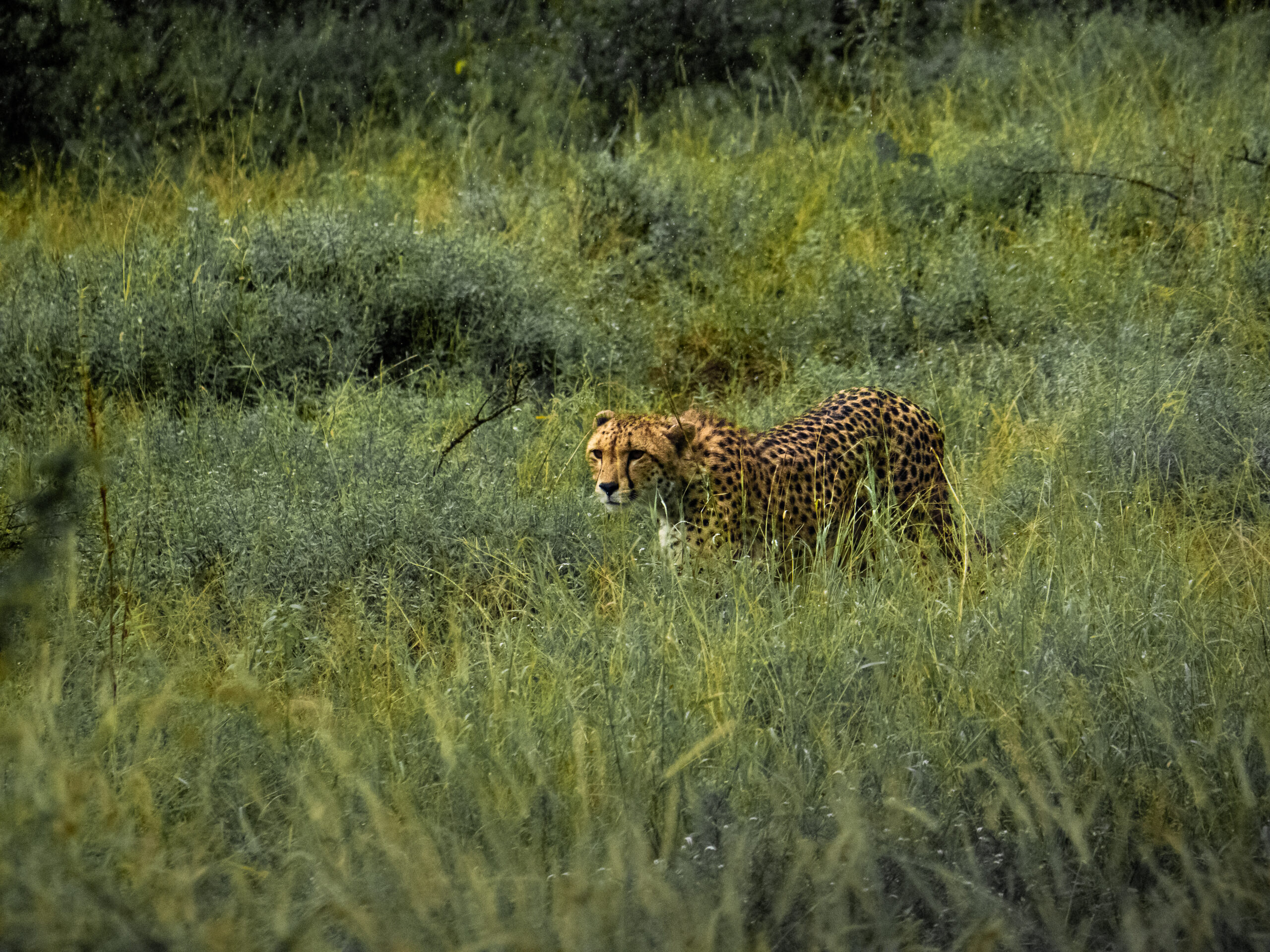
Kruger has 21 camps, ranging from full-service rest camps to remote “bushveld” camps.
For first-timers, we recommend staying in the southern third of the park (highest wildlife concentrations). This is the area from Satara camp to the southern border. Here are top picks:
Best Camps for Wildlife Sightings
- Satara: “The Big Cat Camp” – high chance of seeing lions and cheetahs.
- Skukuza: Largest camp, great for first-timers but can be busy.
- Olifants: Stunning views over the river, perfect for elephant spotting. Note that wildlife is less dense in this area.
- Lower Sabie OR Crocodile Bridge: Great place to spot the big 5. These two camps are close together, so no need to stay at both.
- Berg-en-dal: Known to be a good spot for leopard sightings
Our Itinerary
We stayed:
- 1 night at a private lodge outside the park (Marloth Park area)
- 2 nights Lower Sabie (great location, river views)
- 2 nights Skukuza (lots of amenities but busier)
- 2 nights Satara (we wanted to see the kitty cats)
Check-In for all camps: 2PM
Check-Out for all camps: 10AM
Our experience: We highly recommend staying two or more nights at each camp. One night is not enough and you lose time to the check-in and check-out process. Two nights felt a bit tight. Next time, we’d stay 3 nights at each camp and consider adding nights at Berg-en-Dal.
While some of the camps advertise laundry facilities, they were not in service during our visit.
Food & Dining in Kruger
Similar to accommodation, there are plenty of options for food at KNP. Self catering will be the cheapest and eating out everyday will be the most expensive.
Note: Most of the restaurants will not be open when the Kruger gates first open in the morning. We highly recommend going out first thing and bringing your own DIY breakfast with you.
Self-Catering
- Accommodations have communal or private kitchens. Many sites/bungalows have braai (BBQ) facilities.
- Stock up at SuperSpar Malelane before entering for cheaper prices.
- Rest camps have well-stocked shops (reasonable prices for tourists, high for locals).
Restaurants
Most of the main rest camps will have their own restaurant.
- Lower Sabie (Mugg & Bean): Best view, often see hippos and elephants from veranda.
- Skukuza (Cattle Baron): Best-rated restaurant in the park.
- Avoid: Wimpy’s in Pretoriuskop (we had very disappointing chicken wraps here).
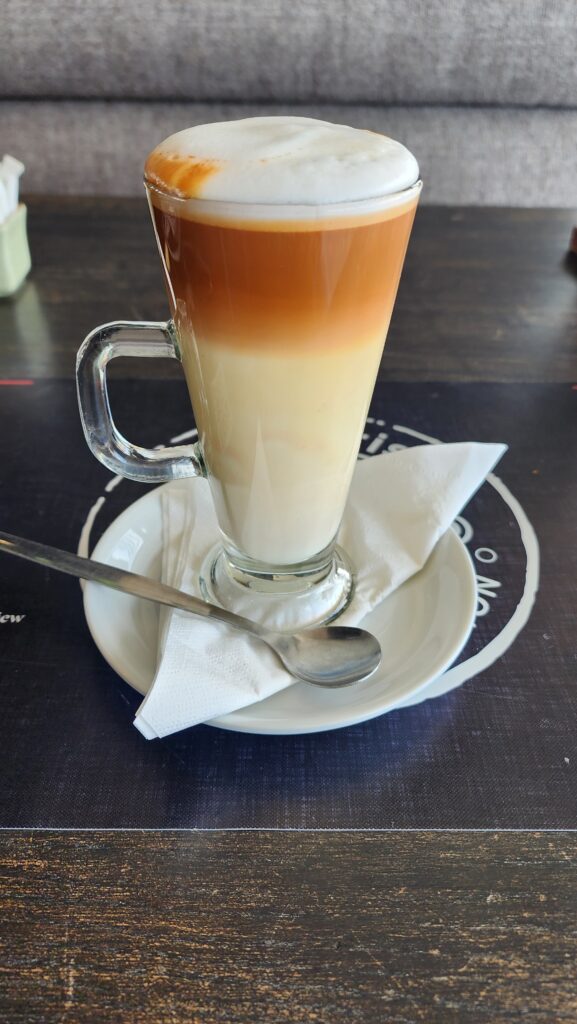
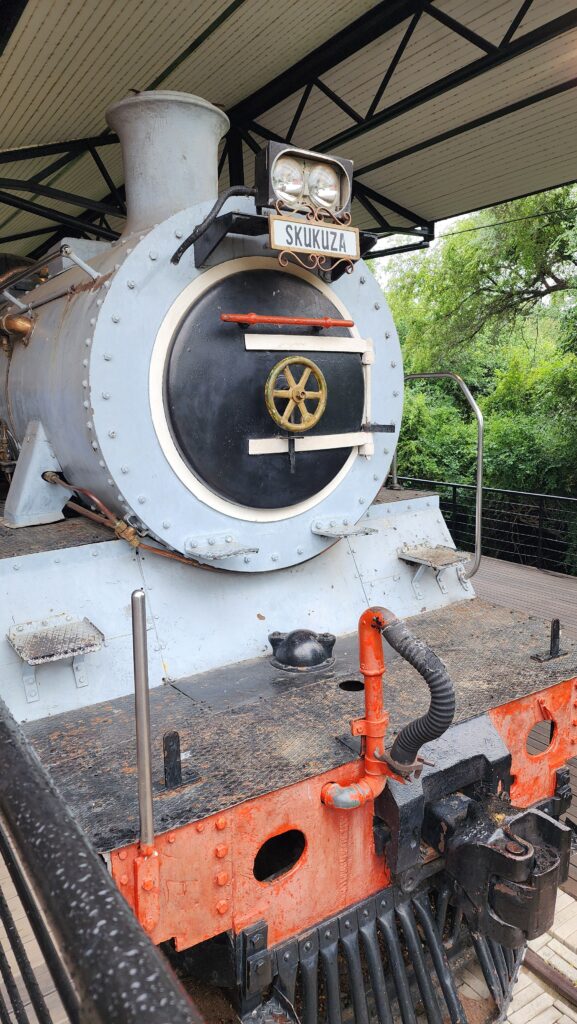
Our experience: We predominantly self-catered and booked accommodations with their own kitchen. We did get snacks and coffees from the restaurants. Next time we would definitely try out more of the restaurants. The Oreo milkshakes at Skukuza were awesome.
Tip: Bring a thermos so you can take your coffee to go on early morning game drives.
Activities & Game Drives
Kruger offers both self-drive and guided drive options. Prices are very reasonable. You can see more about activities here.
Best Activities
✅ DIY Game Drives: Drive yourself. Super flexible and the cheapest option.
✅ Sunrise/Sunset/Night Drives: Animal spotting in a safari vehicle with a guide.
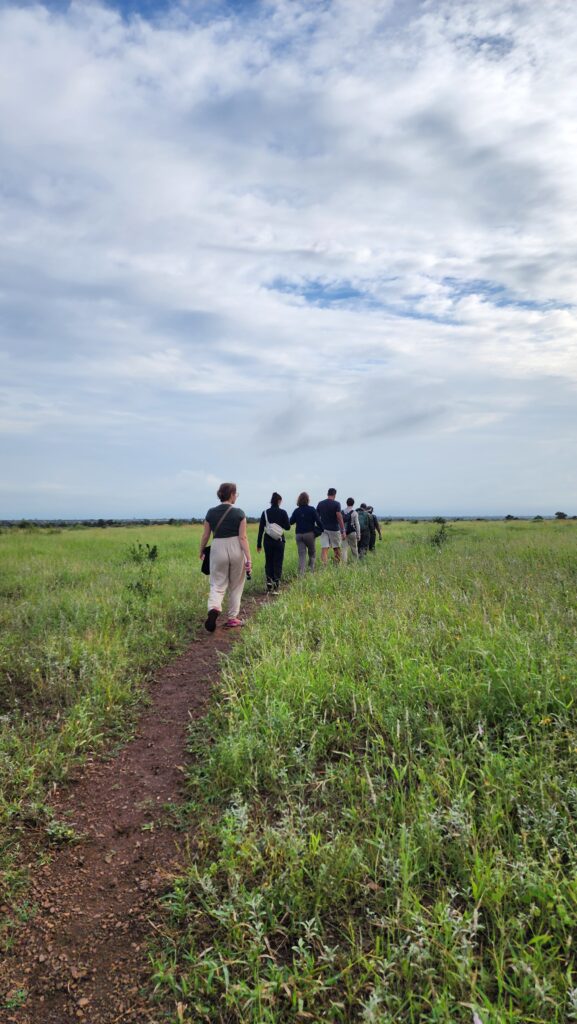
✅ Guided Bush Walks: Unique chance to be on foot in the wild.
✅ Bush Braais: BBQ dinner under the stars in a remote spot in the middle of the park!
Pro Tips:
- Use the ‘Kruger Sightings App’ for live sighting updates
- Check the daily sightings boards at rest camps
- A large group of stopped cars =something cool (predator!)
- Self-driving is free and means you can stay as long as you’d like at each spotting (make sure everyone gets a turn to see the animal)
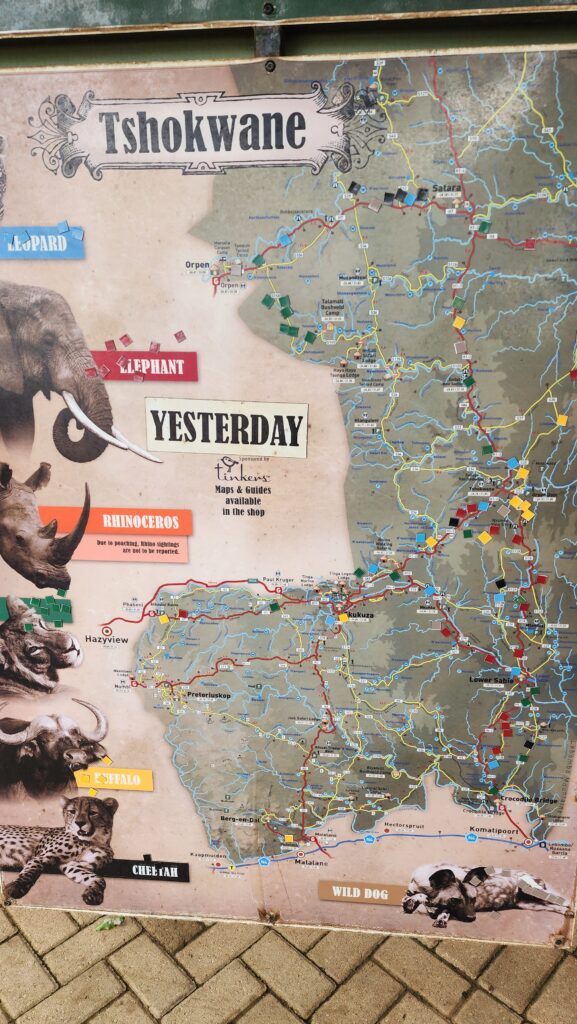
Our experience: We did one morning bushwalk and one sunset drive. If it’s your first safari, we recommend doing a game drive or two first to see how you like it compared to self-driving. We enjoyed our game drives, but unfortunately majority of our group were birders so we spent longer at bird sightings than we would independently. If you’d like to learn more about flora and fauna, the walks are a great experience.
Logistics
Best Time to Visit
- July-August (Winter/Dry Season): Best time for spotting animals (less vegetation, animals gather near waterholes), but busier.
- February (Our Trip): Fewer tourists, lush landscapes, and still plenty of wildlife, Summer/Wet Season can be very hot
Kruger is mostly Cashless
Foreign debit & credit cards work at all park facilities. You may want some small cash for tips. There is a bank at Skukuza rest camp, and ATMs at Skukuza and Letaba.
Fuel Availability
Petrol & diesel are available at most of the main rest camps.
Health & Safety
- Kruger is a malaria zone. Use bug spray daily and wear long clothing, especially at dusk and dawn.
- Consult a doctor about whether malaria prevention medication is right for you. These medications can have drug interactions with chronic medications so please consult your healthcare team.
- The sun is strong here! Wear long, light layers and sunscreen to protect yourself from burns.
- Leave sufficient space between yourself and any animals. Bull and mama elephants can be particularly fiesty.
- Do NOT stick any part of your body out of the car.
Final Thoughts
A Kruger National Park self-drive safari is an incredible adventure.
It’s affordable, flexible, and packed with incredible wildlife experiences. You can have anything from a basic camping experience up to luxury lodge experience.
We absolutely loved our trip to Kruger and cannot recommend it enough. We had high expectations after visiting Serengeti National Park in Tanzania, but Kruger blew them out of the water. We know that we will be back in our lifetime.
Let us know below if you have any questions!
If you’ve been to Kruger, we’d love to hear about some of your favourite moments in the comments!